Belmont Road narrow gardens and gardeners working in tight spaces
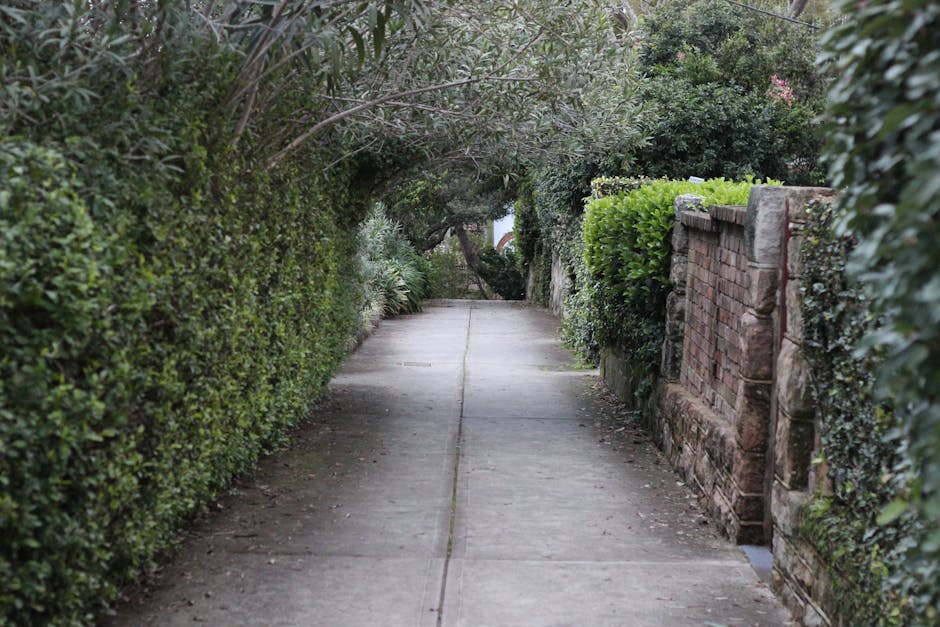
Belmont Road narrow gardens can look deceptively simple from the street. A slim side return, a long fenced strip, a courtyard that seems to have grown a little smaller over winter - and suddenly every bit of pruning, mowing, clearing, or planting becomes a test of patience. That is exactly why Belmont Road narrow gardens and gardeners working in tight spaces need a different approach. Not a harder one, just a smarter one.
In a tight garden, the difference between a tidy result and a frustrating one often comes down to access, sequencing, and choosing the right tools for the job. You do not have the luxury of spreading out. You have to work neatly, safely, and in a way that keeps disruption down. This guide breaks down what that means in practice, what good garden work looks like in narrow spaces, and how to judge whether a professional gardener is set up for the challenge.
Whether you are dealing with an overgrown passage, a small terraced rear garden, a shaded strip with stubborn weeds, or a compact space that needs regular upkeep, this article will help you make sensible decisions without the usual guesswork. And yes, a small garden can still be a proper garden. Sometimes more so.
Why Belmont Road narrow gardens and gardeners working in tight spaces Matters
Narrow gardens are common across older London streets and terraced housing, and they often come with awkward access, limited turning space, and very little room to store waste while work is underway. That changes almost everything about garden maintenance. A job that would be straightforward in a larger plot can quickly become fiddly here, because every movement has to be planned. Every tool matters. Even the order of work matters.
This matters for more than appearance. When a tight garden is left unmanaged, small problems gather speed. Wet leaves stay trapped in corners, moss builds up on paths, hedges begin to squeeze walkways, and poor access makes it harder to get back on top of things later. It is the sort of thing that sneaks up on you. One month it looks manageable; the next, you are wondering how the bin bags multiplied overnight.
For property owners, landlords, and busy households, working well in a narrow garden can also protect surfaces, avoid plant damage, and reduce wasted time. If the space connects to a rear lane, a side return, or a shared access route, neat working practices become even more important. In our experience, the best results come from gardeners who respect the constraints instead of trying to brute-force their way through them.
Practical takeaway: small gardens do not need grand gestures. They need precise, tidy, low-disruption work that respects access, materials, and the shape of the space.
How Belmont Road narrow gardens and gardeners working in tight spaces Works
The process usually starts with access. Before anyone cuts, lifts, prunes, or clears, the gardener needs to understand how people, tools, and waste will move through the space. In a narrow garden, a bad access plan can cause more stress than the gardening itself. Will a mower fit through the gate? Can clippings be moved without trampling beds? Is there enough space to open bags safely? These are not small details. They are the job.
Once access is clear, the work is usually broken into short, controlled stages. For example, a gardener may trim hedges first to create room, then clear debris, then mow or strim, and finish with edging and a tidy-down. That sequence keeps the site safer and usually leads to a sharper finish. It also helps avoid the classic mistake of cutting yourself off from the rest of the garden halfway through. We have all seen that one corner where a pile of branches becomes a temporary mountain. Not ideal.
The right technique depends on the condition of the garden. A long, thin strip may need a lighter touch and more frequent maintenance. A cluttered space might benefit from a garden clearance first, followed by routine upkeep. A garden with tired boundaries or worn surfaces may need a broader plan involving landscaping or even focused landscape gardening to make the space work better.
Good gardeners also think vertically. In tight spaces, the walls, fences, trellis, hedges, and even the lines of paving matter. A garden can feel twice as wide if the vertical edges are managed neatly. That is why services such as hedge trimming and careful pruning often make such a visible difference.
Key Benefits and Practical Advantages
There are real advantages to using a gardener who understands tight spaces properly. The obvious one is presentation, but the value goes further than that.
- Cleaner movement through the garden: better access means fewer scuffed paths, crushed plants, or accidental damage.
- More usable space: pruning and layout choices can open up space that felt lost before.
- Lower maintenance pressure: once a compact garden is brought under control, routine visits become easier and faster.
- Better safety: less clutter means fewer trip hazards and less strain when carrying tools or waste.
- Improved light and airflow: especially important where narrow gardens are overlooked or enclosed on both sides.
- More precise results: small gardens reward detail work, edging, and tidy finishing.
There is also a quieter benefit that people sometimes overlook: peace of mind. If a narrow garden is well cared for, it stops nagging at you every time you look out the back door. That matters more than it sounds. You open the curtain on a grey Wednesday morning and think, yes, that is manageable. Nice, even.
For landlords, busy homeowners, and anyone preparing a property for sale or letting, tidy external space can also create a much better first impression. If the garden is especially cluttered or neglected, starting with structured garden maintenance keeps things under control once the heavy lifting is done.
Who This Is For and When It Makes Sense
This kind of work makes sense for a wide range of people, but especially if the garden is compact, awkwardly shaped, or difficult to access from the house. Narrow gardens often belong to terraced homes, maisonettes, converted properties, and flats with private outside space. In all of these settings, the challenge is the same: limited room, bigger mess risk.
You may need specialist help if any of the following sound familiar:
- The garden is long and narrow, with little room to turn around.
- The gate, side passage, or access route is tight for standard tools.
- Hedges or shrubs are encroaching on walkways.
- There is overgrowth, leaf build-up, or leftover waste after a long gap in maintenance.
- Surfaces are slippery, uneven, or partly hidden by vegetation.
- You want the space improved without major disruption to neighbours or residents.
It also makes sense if you simply do not want to spend your weekend trying to wrestle a hedge trimmer around a narrow corner. Let's face it, nobody dreams of doing that at 8.30 on a Saturday.
If you are comparing service options, it can help to look at the full range of support available through the site's services overview, especially where the garden needs more than one type of work.
Step-by-Step Guidance
A tidy, efficient result in a narrow garden usually comes from a disciplined sequence. Here is a practical approach that works well in confined spaces.
- Assess access first. Check gates, passages, surface conditions, and where waste can be staged temporarily.
- Remove loose clutter. Pots, tools, broken furniture, branches, and seasonal debris should come out before the main work begins.
- Work from the top down. Trim hedges, remove dead material, and reduce overhanging growth before dealing with the ground layer.
- Clear the floor area. Leaves, weeds, and cuttings should be removed so you can see the true shape of the space.
- Mow, strim, or edge carefully. In a narrow garden, clean edges often make more visual difference than another aggressive cut.
- Check drainage and surface damage. Hidden dips, broken paving, or mossy patches often show up only once the clutter is gone.
- Finish with a tidy-down. Waste removal, sweeping, and a final check make the space feel properly complete.
It sounds straightforward. Sometimes it is. Sometimes there is a tree root, a leaning fence, a forgotten patch of brambles, and a compost bin that has seen better days. But the principle stays the same: clear access, control the work, and finish neatly.
If waste has built up heavily, a focused garden clearance can create the clean start needed for ongoing care. If the garden includes worn timber features or a small decked area, the job may also touch on decking services to keep the whole space coherent and safe.
Expert Tips for Better Results
Here are the small things that make a big difference in tight spaces. They are not glamorous, but they work.
- Use lighter, narrower tools where possible. Big tools are not always better if they cannot move properly.
- Keep cut material moving. Don't let clippings or branches sit in the only walking route.
- Prioritise edges and boundaries. In small gardens, crisp edges can make the whole space feel better organised.
- Work in short passes. Rushing tends to create uneven cuts and avoidable damage.
- Protect soft surfaces. Wet lawns, gravel, and delicate borders need more care than people expect.
- Plan the exit route before you start. If waste has to come back through the house or a narrow passage, that should shape the workflow.
A useful little trick: take a moment before starting to stand at the furthest point and look back toward the house. What catches your eye first? Usually that tells you where to focus. A cluttered corner, a hedge line that has drifted, or a path edge that has blurred into the border. It is a simple habit, but it helps.
If plants are regularly getting too tall for the space, routine lawn mowing and hedge care can prevent the garden from slipping into that overgrown middle stage where everything starts leaning into everything else.
Common Mistakes to Avoid
Tight gardens are unforgiving when things go wrong. A small mistake can create a bigger mess than it would in a larger space.
- Starting with the lawn before clearing access. You may end up walking over fresh work or trapping debris in awkward corners.
- Using oversized equipment. If a tool is too bulky for the access route, it will slow everything down and raise the risk of damage.
- Ignoring waste handling. Clippings left in a narrow garden can quickly make it feel smaller and more untidy.
- Cutting hedges too hard. Over-reducing growth can leave exposed, patchy lines that look worse than the original problem.
- Forgetting about neighbours. Noise, access, and debris management matter in closely packed streets.
- Skipping the final sweep. It is amazing how often this one gets overlooked. And yet it is the bit people remember.
Another common issue is trying to solve layout problems with maintenance alone. If the garden is awkward because the structure itself no longer works, a tidy-up helps, but it may not be enough. That is where a wider plan involving landscaping can be the more sensible long-term fix.
Tools, Resources and Recommendations
You do not need a workshop full of equipment to manage a narrow garden properly, but the right tools do matter. The best kit tends to be practical, compact, and easy to manoeuvre. Think in terms of control rather than brute force.
| Need | Better choice in tight spaces | Why it helps |
|---|---|---|
| General cutting | Compact hand tools or lighter trimmers | Easier to move through narrow access routes |
| Grass maintenance | Smaller mower or strimmer work | Better control near edges and borders |
| Overgrowth | Staged clearance approach | Reduces clutter and opens access safely |
| Hedges and vertical growth | Careful hedge trimming | Keeps the garden from feeling boxed in |
| Large volumes of waste | Structured garden clearance | Makes the rest of the job cleaner and safer |
It is also worth thinking about the company behind the tools. Good equipment helps, yes, but so does the person using it. You want someone who understands how to work around limited access, fragile surfaces, and compact layouts without turning the garden into a construction site.
For people comparing providers, practical details such as pricing and quotes, payment and security, and the company's approach to insurance and safety are worth checking before any work begins. Not thrilling, perhaps, but sensible.
Law, Compliance, Standards, or Best Practice
For most domestic garden work, the main thing is not a pile of paperwork; it is safe, responsible practice. In the UK, professional gardeners are generally expected to work with appropriate care, manage waste properly, and avoid creating hazards for residents, passers-by, or neighbouring properties. In narrow gardens, that expectation becomes more visible because everything happens close up.
Best practice usually includes:
- carrying suitable public liability insurance where relevant to the service offered;
- using tools and methods that suit the access and the task;
- keeping walkways as clear as reasonably possible during the work;
- handling green waste responsibly;
- being cautious around walls, fences, paving, and shared boundaries;
- respecting privacy and access arrangements in closely built-up streets.
If a gardener is working near uneven ground, slippery surfaces, or obstructed access, a careful method matters more than speed. That is especially true where materials have to be moved through a property or where neighbours may be affected by noise and mess. A reputable provider should be happy to explain how they approach these issues. If you want to check those principles in advance, the site's health and safety policy and recycling and sustainability pages are useful places to look.
One more thing: if you are ever unsure about a particular boundary, access arrangement, or tree-related issue, it is better to slow down and ask than to guess. That sounds obvious, but in narrow gardens it saves a lot of headaches.
Options, Methods, or Comparison Table
Not every narrow garden needs the same level of intervention. Sometimes it is a quick tidy. Sometimes it needs a reset. The right option depends on how far the space has drifted and what you want from it next.
| Approach | Best for | Strengths | Trade-offs |
|---|---|---|---|
| Routine maintenance | Gardens that are already under control | Low disruption, consistent appearance, easier budgeting | Won't fix deep overgrowth or poor layout |
| Targeted tidy-up | Small problem areas, seasonal growth, hedge encroachment | Fast, focused, practical | May not address the whole space |
| Full clearance first | Heavily cluttered or neglected gardens | Creates a clean baseline for future care | More labour-intensive at the start |
| Reshape and redesign | Gardens that feel cramped because the layout no longer works | Can make the space genuinely easier to use | Usually takes more planning and investment |
To be fair, the right answer is often a mix of methods. A one-off clearance, followed by monthly maintenance, is common for narrow gardens because it keeps the space from slipping back. If the structure needs a rethink, though, it may be worth speaking about a broader landscape gardening plan rather than simply trimming the problem every few weeks.
Case Study or Real-World Example
Imagine a modest Belmont Road rear garden: about the width of a small path in places, with a narrow lawn strip, a hedge on one side, a fence on the other, and a few tired pots that have settled in for the long haul. Nothing dramatic. Just a space that had become harder to enjoy because it had gradually filled up with the little things that never feel urgent.
The first visit focused on access and clearance. Loose items were moved, the hedge line was reduced enough to open the walkway, and the dead material at ground level was removed. That alone changed the feel of the garden. The second stage dealt with the lawn edges and a slightly uneven border, which made the whole thing look more deliberate. After that, the garden was simple to maintain rather than constantly catching up.
The owner did not need a showpiece. They needed breathing room. And that is often the real brief in narrow gardens. A cleaner line, a little more light, less squeezing past plants with a bucket in one hand. Small victories, but they add up.
In situations like this, it can also help to review broader service options and speak with a team that understands the practical side of the work, not just the aesthetics. If the garden has become genuinely overwhelmed, a structured start through garden clearance is usually the most efficient way back to a manageable space.
Practical Checklist
Use this checklist before booking or starting work in a narrow garden. It keeps things simple.
- Is the access route wide enough for the tools and waste bags?
- Are there fragile surfaces, slippery areas, or uneven paving?
- Does the garden need clearance before routine maintenance can work?
- Are hedges, shrubs, or climbers reducing the usable width?
- Is there a safe place to stage waste temporarily?
- Do you need regular mowing, trimming, or a one-off reset?
- Are boundary lines, fences, or decking showing signs of wear?
- Would a redesign make the space easier to maintain long term?
- Have you checked quote details, safety, and payment terms?
- Do you know what outcome you actually want: tidy, clear, usable, or redesigned?
If the answer to the first two or three questions is no, the garden may need a more careful plan than a simple cut-and-tidy visit. That is not a bad thing. It just means the job needs the right shape.
Conclusion
Belmont Road narrow gardens and gardeners working in tight spaces are really about one thing: making limited space feel calm, usable, and well cared for. The work is less about force and more about judgement. What to cut first, where to stand, how to move waste, and when to stop and tidy. That is the difference between a rushed job and a genuinely helpful one.
If your garden feels too narrow to manage easily, you are not alone, and you are certainly not stuck with it as it is. With the right approach, even a compact or awkward garden can become easier to enjoy and much simpler to maintain. A little structure goes a long way, honestly. Sometimes all a small garden needs is someone who knows how to work with the space instead of against it.
Get a free quote today and see how much you can save.
And if you want a dependable next step, start with the service details, review the practical standards, and take it one sensible stage at a time. That is how good small-garden results are made.
Frequently Asked Questions
What makes Belmont Road narrow gardens different from regular gardens?
Narrow gardens usually have tighter access, less turning space, and more pressure on every working movement. That means gardeners have to plan their route, tools, and waste handling much more carefully than they would in an open garden.
Can a narrow garden still look spacious?
Yes. Careful hedge trimming, crisp edging, good lighting, and clearing clutter can make a surprising difference. In many cases, the space does not get bigger, but it feels bigger, which is nearly as useful.
Do tight-space gardeners need special tools?
Often, yes. Compact, lighter tools are usually easier and safer to use where access is restricted. The best choice depends on the job, but bulky equipment can slow everything down in a narrow layout.
Is garden clearance always needed before maintenance?
Not always. If the garden is already under control, routine maintenance may be enough. But if access is blocked by overgrowth, debris, or stored items, a clearance first is usually the sensible starting point.
How often should a narrow garden be maintained?
That depends on the planting, lawn growth, and how quickly the space gets messy. Many compact gardens benefit from regular maintenance because small spaces show neglect very quickly. A little and often is often the better strategy.
What should I ask a gardener before booking tight-space work?
Ask how they handle access, waste removal, safety, insurance, and any awkward boundaries. You may also want to ask whether they recommend maintenance, clearance, or a broader landscaping approach. Those answers tell you a lot.
Can overgrown hedges make a narrow garden feel even smaller?
Absolutely. Hedges that spread too far into the usable area can make a garden feel boxed in and awkward to move through. Proper hedge trimming often gives one of the biggest visual improvements in a tight garden.
What are the biggest risks in confined garden work?
The main risks are trips, slips, damage to surfaces or plants, and poor waste handling in a tight space. Good planning and the right sequence of work reduce those risks quite a lot.
Should I choose landscaping or just maintenance?
If the garden mainly needs tidying, maintenance is usually enough. If the layout itself makes the space hard to use, landscaping or landscape gardening may offer a better long-term result.
How do I know if my garden needs a full reset?
If the access is blocked, the garden is cluttered, and routine cutting no longer brings it back into shape, a full reset may be the best option. That often starts with clearance, then moves into maintenance once the space is visible again.
Are narrow gardens harder to keep tidy in winter?
Usually, yes. Damp conditions, leaf fall, moss, and limited sunlight all make maintenance more difficult. Winter work tends to focus on keeping surfaces clear and preventing the garden from becoming slippery or congested.
Where can I learn more about service standards and site policies?
You can review the company's about us, health and safety policy, and recycling and sustainability pages to understand the approach behind the work. That kind of transparency is reassuring, and it should be.