Real cost of hiring gardeners in Belmont 2026 pricing guide
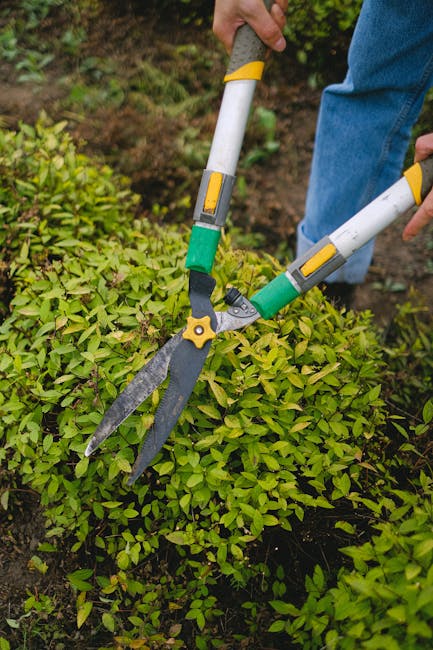
If you are trying to work out the real cost of hiring gardeners in Belmont in 2026, you are probably looking for more than a headline figure. Fair enough. The price can shift depending on the size of the garden, how overgrown it is, what tools are needed, and whether you want a one-off tidy-up or regular upkeep. This guide breaks it down in plain English so you can budget properly, avoid surprise add-ons, and choose the right level of service for your garden.
Truth be told, most people do not mind paying for a good gardener. What they want is clarity. What does the visit include? Is waste removal extra? What if the hedge is higher than expected? And how do you tell a sensible quote from one that looks cheap but turns messy later? Let's get into it.
- Why the real cost matters
- How gardener pricing works in Belmont
- Key benefits and practical advantages
- Who this is for and when it makes sense
- Step-by-step guidance
- Expert tips for better results
- Common mistakes to avoid
- Tools, resources and recommendations
- Law, compliance, standards or best practice
- Options, methods and comparison table
- Case study or real-world example
- Practical checklist
- Conclusion
- Frequently asked questions
Why Real cost of hiring gardeners in Belmont 2026 pricing guide Matters
Garden work looks simple from the pavement. A few clipped edges, a tidy lawn, maybe a border cleared out. But the real cost often sits in the details you cannot see at first glance. In Belmont, that matters because garden sizes vary a lot, access can be awkward, and many properties need a mix of maintenance rather than one basic task.
When people only compare hourly rates, they often miss the actual total. A low hourly charge can become expensive if the job runs long, waste is charged separately, or the gardener needs extra visits to finish what should have been handled in one go. On the other hand, a proper quote can look higher at first but end up better value because it covers the full job. That is the bit most homeowners only learn after the first invoice. Annoying, but common.
This guide matters because it helps you judge value, not just price. That is especially useful if you are planning seasonal maintenance, preparing a property for sale, managing a rental, or simply trying to keep on top of a garden that has slipped a bit over winter. For a broader view of how local services are structured, you can also explore the site's services overview and the pricing and quotes page.
How Real cost of hiring gardeners in Belmont 2026 pricing guide Works
Gardener pricing usually falls into a few broad formats: hourly rates, fixed quotes, or task-based pricing. Each has its place. The right one depends on the condition of the garden and how easy the work is to define.
Hourly pricing works well for smaller or unpredictable jobs. If the border is full of weeds, the lawn needs edging, and there are a few bits of pruning to do, an hourly visit can be sensible. You pay for the time spent, usually with a minimum call-out or visit length.
Fixed quotes are better for bigger jobs with a clear scope. For example, a full garden tidy, hedge trimming, or a one-off clearance is often easier to price upfront. The gardener assesses the space, the access, the waste, and the labour needed, then gives you a set figure.
Task-based pricing sits somewhere in the middle. A lawn mowing visit may be charged as a standard service, while hedge trimming or garden clearance is quoted based on the size and complexity of the work.
In real life, the final bill can be influenced by a few practical factors:
- Garden size - a small town garden is rarely priced like a long rear plot.
- Condition of the garden - light upkeep is very different from a jungle after three months of rain.
- Access - narrow side gates, steep steps, or no parking nearby can all add time.
- Waste removal - green waste and mixed waste are not always treated the same way.
- Specialist work - hedge trimming, tree lopping, or landscaping usually costs more than basic mowing.
- Frequency - regular maintenance tends to be more efficient than emergency catch-up work.
If you are weighing up recurring work, a regular garden maintenance service is often the easiest way to keep costs predictable. For lawns specifically, the lawn mowing service is usually one of the simplest services to budget for.
Key Benefits and Practical Advantages
Hiring a gardener is not just about saving time, although that is a lovely benefit on a wet Tuesday afternoon. The real value is usually a mix of practicality, consistency, and preventing small issues from becoming big ones.
1. You avoid the hidden cost of delay. An overgrown garden tends to get more expensive the longer it is left. Dense weeds, thick grass, and tangled hedges all take more effort to bring back under control.
2. The result is more predictable. A professional gardener knows how long a task should take, what equipment it needs, and where the time traps are. That means fewer surprises.
3. You can match the service to the job. Not every garden needs a full redesign. Sometimes a standard tidy-up is enough. Other times, you need garden clearance or a larger improvement plan. The useful thing is having options rather than overpaying for work you do not need.
4. The garden looks cared for year-round. That matters for everyday enjoyment, but also for presentation. A neat front garden changes the whole feel of a property. You notice it immediately when you come home, even if no one says it out loud.
5. Health and safety risks are reduced. Slippery paths, unstable branches, and hidden waste can all be managed more safely by someone who does this work regularly.
There is also a quieter benefit that people sometimes overlook: peace of mind. When the work is handled properly, you stop thinking about it every weekend. That alone is worth something.
Who This Is For and When It Makes Sense
This guide is useful if you fall into any of the following groups:
- Homeowners trying to budget for seasonal maintenance
- Landlords preparing a garden between tenancies
- Busy families who want the outside space kept usable without weekend graft
- Older residents who need practical help with upkeep
- People getting a property ready for sale or letting
- Anyone facing an overgrown garden and not quite knowing where to start
It also makes sense if your garden is in that awkward in-between state: not wild enough for a full clearance, but too messy for a quick mow. That is where pricing can feel fuzzy, and where a proper inspection becomes useful.
If you are comparing broader service types, the pages for hedge trimming, garden clearance, and tree lopping and removal can help you understand which service fits the job rather than guessing based on the name alone.
To be fair, one of the biggest signs you need a gardener is simple: you keep saying you will do it next weekend, and then the next weekend disappears. Happens to the best of us.
Step-by-Step Guidance
If you want to avoid overpaying, the best approach is to turn the job into something measurable. Here is a practical way to do that.
- Walk the garden slowly. Look at grass length, hedge height, weed growth, blocked paths, waste piles, and any obvious problem areas.
- Separate the tasks. Mowing, pruning, clearance, edging, and landscaping are not the same thing. Split them out so you can compare like with like.
- Estimate difficulty. Ask yourself whether the work is easy access or awkward access, light maintenance or heavy recovery.
- Decide whether you want one-off or ongoing help. If the garden gets out of hand every few months, regular visits may actually be cheaper over time.
- Request a clear quote. Make sure it says what is included, what counts as extra, and whether waste disposal is part of the price.
- Compare value, not just headline cost. A quote should reflect labour, time, equipment, and end result.
- Book the work with a sensible lead time. Spring and early summer can get busy. If you wait until the garden looks desperate, you may pay more for a quicker slot.
A useful rule: if you cannot describe the job in one paragraph, the quote probably needs more detail too. That is not a bad thing. It just means the garden needs a proper look.
Expert Tips for Better Results
Here is where a bit of practical experience saves money. Small choices can make a noticeable difference to the final bill.
Keep the scope clear. If you only need mowing and light edging, say so. If you also want weeds removed from beds, mention it upfront. Vague instructions are one of the fastest ways to create awkward pricing.
Group jobs together. If you already need mowing, hedge trimming, and a tidy-up, bundling them into one visit can be more efficient than booking separate call-outs. Sometimes it is just common sense, really.
Prepare the space before the visit. Move toys, plant pots, garden furniture, and any fragile items. It saves time and reduces the chance of accidental damage.
Be honest about neglect. If the garden has not been touched for months, say that. It is better to start from the truth than to discover mid-job that the grass is hiding three wheelbarrows' worth of clippings and half a fence panel.
Ask how waste is handled. Some jobs create far more waste than people expect. If your priority is responsible disposal, review the company's recycling and sustainability approach and ask how green waste is separated.
Think seasonally. Light but regular maintenance through the year is usually easier on the budget than rescue work after a long gap. Especially in damp weather, growth can get away from you quickly.
Common Mistakes to Avoid
Most people do not get garden pricing wrong because they are careless. They get it wrong because the job feels straightforward until the invoice says otherwise. A few common mistakes keep coming up.
- Choosing the cheapest quote without checking what is included. The low number is not always the real number.
- Forgetting about waste removal. Cleared material has to go somewhere, and that can affect cost.
- Assuming all gardens are priced the same. Flat front lawns and overgrown back gardens are different jobs entirely.
- Leaving out access issues. Parking, gates, slope, and distance from road to garden all matter.
- Mixing maintenance with landscaping. A tidy-up and a redesign are not priced the same way.
- Not checking whether urgent work costs more. Last-minute bookings can carry a premium.
One subtle mistake is underestimating how fast a simple job becomes a bigger one. A hedge that is slightly too high in April can become a serious trimming job by July. Small delay, bigger bill. That is the pattern.
Tools, Resources and Recommendations
You do not need specialist kit to make a smarter hiring decision, but a few basic tools help you compare quotes properly.
- Phone photos - useful for showing the current condition before a visit.
- Measuring tape or pacing estimate - helps you judge hedge length, lawn size, and border width.
- Simple notes app - keep a list of tasks you want done so nothing gets forgotten.
- Calendar reminders - ideal if you want seasonal maintenance rather than one-off panic work.
- Written quote - the most important resource of all, because it reduces misunderstandings later.
If you are comparing full-service support, the site's garden maintenance and lawn mowing pages are a sensible starting point. For bigger improvements, landscaping and landscape gardening are more relevant than a routine maintenance visit.
Small practical tip: take one photo in daylight before requesting a quote and one after rain if drainage or mud is part of the problem. The difference can be surprisingly helpful.
Law, Compliance, Standards, or Best Practice
For most domestic gardening jobs, the key concern is not legal complexity but sensible professional practice. Still, it is worth knowing what good operators usually pay attention to.
Insurance matters. If a contractor is working on your property, they should be able to handle the job safely and responsibly. That does not mean every job is high risk, but it does mean the basics should be covered. The site's insurance and safety information is a useful place to understand that mindset.
Health and safety should be part of the process. Tools, ladders, sharp edges, and waste all create risk. Good practice is about managing that risk, not pretending it does not exist. You can read more on the company's health and safety policy.
Waste should be handled responsibly. Green waste, timber, soil, and mixed garden debris should be dealt with properly. If sustainability matters to you, ask how waste is sorted and where reusable material goes.
Clear terms prevent disputes. Before work starts, it helps to understand the scope, payment terms, cancellation expectations, and what happens if the job changes midway. That is where the terms and conditions page becomes relevant.
None of that is complicated, but it is the difference between a smooth job and a frustrating one. And honestly, nobody needs more garden drama.
Options, Methods, or Comparison Table
Different garden jobs suit different pricing methods. If you choose the wrong one, the quote can feel off before the work even begins. Here is a simple comparison.
| Pricing method | Best for | Pros | Watch-outs |
|---|---|---|---|
| Hourly rate | Small, uncertain, or mixed tasks | Flexible; good for variable jobs | Total cost can rise if the work is more involved than expected |
| Fixed quote | Defined jobs such as clearance or hedge trimming | Clear budgeting; easier to compare | Needs accurate information up front |
| Task-based pricing | Single services like mowing or pruning | Simple and easy to understand | May not suit bigger mixed jobs |
| Regular maintenance plan | Ongoing care and seasonal upkeep | More consistent results; often better value over time | Less suitable if you only need an occasional visit |
If you are not sure which route fits your garden, think about what bothers you most. Is it lawn length, hedge height, weeds, waste, or the whole lot? That answer usually points you toward the right pricing method.
Case Study or Real-World Example
Here is a realistic example based on the kind of enquiry many Belmont homeowners make.
A couple in Belmont had a rear garden that looked manageable from the house, but once they walked the full length, it was obvious the job had grown legs. The lawn was uneven, borders were crowded, and the hedge along one side had pushed out more than expected. They initially asked for "just a tidy-up", which sounded simple enough.
After a proper review, the job was split into three parts: mowing, hedge trimming, and a light clearance of cuttings and dead growth. That made the quote clearer. It also meant they did not pay for a landscaping job when they only needed maintenance and recovery. The difference was not just financial. The finished garden looked usable again, not half-done, and they could keep it under control with regular visits after that.
The lesson is straightforward: the real cost is often lower when the job is defined properly from the start. A vague request can lead to vague pricing, and vague pricing is rarely the bargain it first appears to be.
Practical Checklist
Use this checklist before booking a gardener in Belmont.
- List every task you want done, not just the main one
- Check whether the garden needs maintenance, clearance, or landscaping
- Note access issues, parking limits, or gate width
- Take a few clear photos in daylight
- Ask whether waste removal is included
- Confirm if the quote is hourly or fixed price
- Ask what happens if the job turns out bigger than expected
- Check that safety and insurance expectations are clear
- Decide whether one visit or regular upkeep makes more sense
- Keep the written quote and terms for reference
Quick expert summary: the cheapest gardener is not always the best value, and the best quote is usually the one that matches the real condition of your garden. Clear scope, good communication, and proper waste handling matter more than a flashy headline number.
Get a free quote today and see how much you can save.
Conclusion
The real cost of hiring gardeners in Belmont in 2026 is about more than an hourly figure. It comes down to the size and condition of the garden, the type of work involved, access, waste disposal, and whether you need a one-off fix or ongoing care. Once you understand those moving parts, prices become much easier to compare.
If you want the simplest path, start with a clear description of the job, ask for a written quote, and choose the service that fits the garden as it is right now, not how you hope it might look after a miracle. That small bit of planning can save money and a fair amount of stress too.
And if the garden is currently a bit of a state? No judgement. Most of them are, at least for a while.
For a helpful next step, review the company's pricing and quotes guidance and make contact once you are ready to compare options properly.
Frequently Asked Questions
How much do gardeners in Belmont usually charge in 2026?
It depends on the type of work, the size of the garden, and whether the job is one-off or regular maintenance. Hourly, fixed, and task-based pricing can all apply, so the quote method matters as much as the headline figure.
Is a fixed quote better than an hourly rate?
For clearly defined jobs, yes, a fixed quote is often easier to budget for. For mixed or uncertain tasks, hourly pricing can be fairer. The best option depends on how easy the job is to describe before work starts.
What makes a garden clearance cost more?
Heavy overgrowth, blocked access, large volumes of waste, and mixed debris usually push the price up. If the job includes hauling waste away, that can add time and disposal costs too.
Does regular garden maintenance save money?
Usually, yes. Small regular visits tend to be cheaper than letting the garden deteriorate and then paying for a bigger recovery job. That is one of those boring truths that saves money in the long run.
Are hedge trimming and mowing usually priced separately?
Often, yes. They are different tasks with different tools and time requirements. Some gardeners will bundle them into one visit, but the quote should still show what is included.
Should I pay extra for waste removal?
Sometimes waste removal is included, sometimes it is not. Always ask. It is one of the most common reasons a quote looks smaller than the final invoice.
What should I send when asking for a quote?
Photos, a short description of the work, and any access issues are very helpful. If you can mention lawn size, hedge length, or whether the garden is overgrown, the quote is likely to be more accurate.
Do I need a gardener or a landscaper?
If you need routine care, mowing, trimming, or clearance, a gardener or maintenance service is usually the right fit. If you want a redesign, new features, or a larger transformation, landscaping is more appropriate.
Is it worth booking in spring or summer?
Yes, but those periods can be busy. If you wait until the garden has run away from you, you may find the work costs more or takes longer to schedule. Earlier is usually easier.
How do I know if a quote is fair?
A fair quote should explain what is being done, how waste is handled, what access was considered, and whether the price is fixed or estimated. If the number is vague and the scope is vague, the quote is not very useful.
What if my garden is in really poor shape?
That is common enough. In those cases, a garden clearance or recovery visit may be the best first step before moving onto maintenance. It is often better to reset the garden properly than to keep patching the problem.
Can I combine several services in one visit?
Yes, and that is often sensible. Mowing, hedge trimming, and general tidy-up work can sometimes be grouped together for better efficiency, provided the scope is clear from the start.